Choose the moment before choosing the target
Pick an existing part of your day: after breakfast, before leaving for work, or when you sit down in the evening. Write a concrete plan such as “After breakfast, I will open my saved place and read for two minutes.” Choose a time when you can read with attention rather than trying to fill every spare second.
Make the first session easy to start. Choose your translation, adjust the Arabic text to a comfortable size, and leave your reader at the passage you want to continue. Those decisions belong in setup, so your next reading session begins with reading.
Try this five-minute reading, meaning, and review loop
The timings are a starting point, not a quota. You can spend all five minutes reading, or use more time on translation when the passage is unfamiliar. Avoid letting an unfinished quiz turn a manageable reading session into a task you postpone.
- Minutes 0–2: Read from your current place at a comfortable pace. Use a short passage or fewer verses if you are still learning to read Arabic. There is no need to match someone else’s speed.
- Minutes 2–4: Read the translation of that same passage. Choose one detail you want to understand better. If a question needs context, note the verse reference and return to its tafsir when you have time.
- Minute 4–5: Revisit one or two words from the passage. Look at each Arabic word, try to recall its meaning, then check. Finish by keeping track of where you stopped.
Set up the routine in Yawm
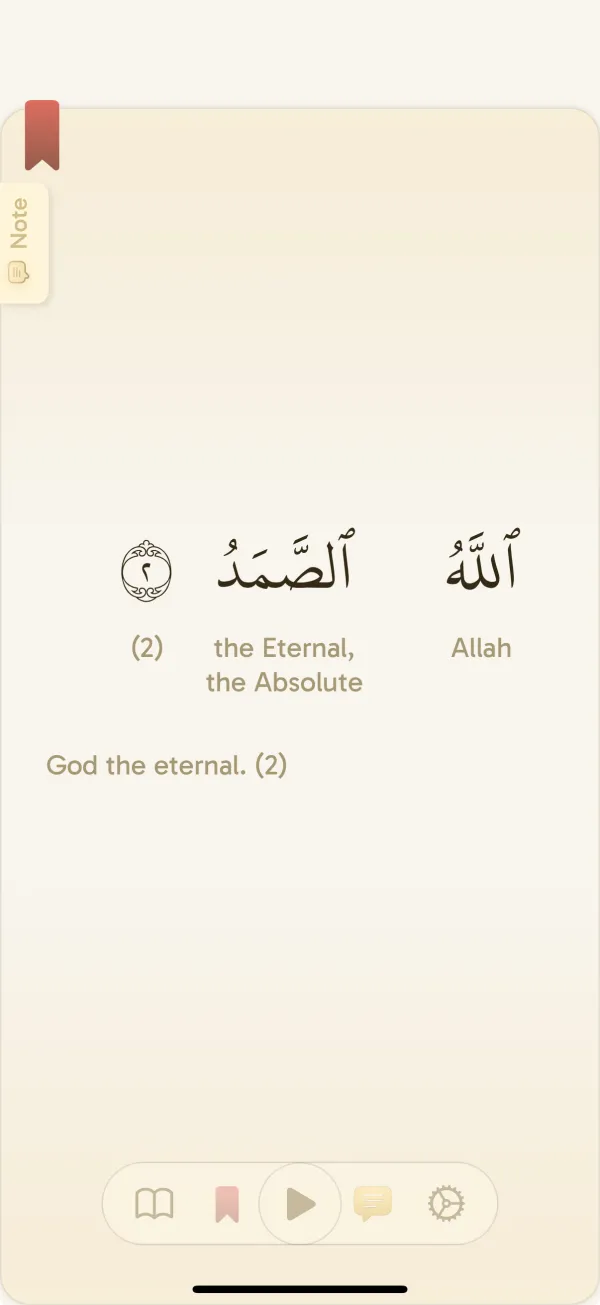
Yawm is a free, ad-free Quran app from dawm LLC for iPhone, iPad, and Android. In Settings, open Daily reading goal and choose a small time target. Choose Page, List, or Verse by verse view to follow your place in the format that suits you.
Add an Ayah of the Day or streak widget where you will see it, and enable reminders if they help you return. After reading, try a short vocabulary activity from that session: matching words, choosing a meaning, or recognizing a word by its sound. Vocabulary quizzes use English meanings and need an internet connection.
On iPhone and iPad with iOS or iPadOS 16 or later, optional app blocking can put reading before your selected distracting apps. It requires Screen Time permission and an enabled daily reading goal. The apps unlock when you earn today’s base reading streak; you do not need to finish the full daily goal.
Decide what a busy day looks like
Give yourself a fallback before you need it: one minute of reading, then stop. A fallback makes the next action clear when you have little energy. If a day is missed, return to the saved passage at the next available moment. You do not need to double tomorrow’s reading to use this routine.
Keep reading pace separate from completion pressure. Five minutes does not imply a particular number of pages or a Quran completion date. If you also have a longer reading plan, let this small daily session be a dependable starting point.
Review the routine after a week
Judge the plan by whether it helps you return and read with attention. A streak can record repetition; it cannot tell you everything about the value of a reading session.
- If you often forget, change the cue, adjust your reminder, or put a Yawm widget where you will notice it.
- If setup takes longer than reading, choose one reader view and translation for the next week.
- If the target feels heavy, shorten it. Add time only when you want a longer session.
- If you remember the words but lose the meaning of the passage, spend the optional minute rereading its translation.
Common questions
Is five minutes enough to start reading Quran daily?
Five minutes is a practical starting time, not a religious requirement or a promise of a particular result. Start with the time you can make available and increase it when that suits you.
Can I use this routine if I read Arabic slowly?
Yes. Use a smaller passage and more of the session for careful reading or listening. Keep your own pace instead of using a page count as the target.
Do I need to complete vocabulary practice every day?
No. In this suggested routine, reading is the starting action and vocabulary is optional. You can return to practice when you have time and a connection.